The world of textiles has seen significant changes in recent years. Businesses are moving toward more efficient and sustainable print processes that can keep pace with the demands of modern design. One of the biggest developments driving this change is digital textile printing in Dubai. It enables companies to create detailed, high-quality textile designs at remarkable speed.
While traditional printing methods rely on rollers and screens, digital textile printing works more like a high-precision printer for fabrics. In this technology, the design is directly printed onto the fabric using advanced methods, thus reducing waste production. This method also facilitates improved printing speed, better scope for customisations, and creation of complex designs in a cost-effective manner. Ultimately, designers, fashion houses, and manufacturers are making their move to digital solutions to meet the growing demands of the market.
What is it that makes digital textile printing different from conventional methods? Why are more companies shifting to digital textile printing? Let’s explore.
What is digital textile printing?
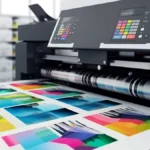
In the digital textile printing process, designs are directly printed onto the fabric using specialised equipment and textile inks. Instead of creating physical screens for each colour, the design file is sent directly to the printer, which reproduces the artwork onto the fabric with high precision.
This approach offers several advantages:
- Highly detailed prints with sharp colour gradients
- Faster turnaround times for production
- Minimal setup requirements compared to traditional printing
- Ability to print small batches or custom designs
For businesses seeking complex fabric printing Dubai, digital textile printing is the optimal choice. It gives them the flexibility needed to produce everything from fashion textiles to home decor fabrics.
How does digital textile printing in Dubai work?
The process may sound complex, but it generally follows a clear sequence of steps. Each stage ensures that the final printed fabric maintains quality, durability, and vibrant colours.
Design Creation
The process begins with the creation of the design. Graphic designers create patterns or art based on the requirements briefed to them, which is then curated specifically for textile printing. This ensures correct colour, size, dimensions, and resolution.
Fabric Preparation
Before the printing process, the fabrics are treated using a pre-treatment solution. This process allows the ink to bond with the textile fibres and ensures that the final design remains vibrant and durable.
Digital Printing Process
The fabric, after preparation, is then loaded onto the digital printer for printing. Using inkjet technology, the printer sprays microscopic drops of ink onto the fabric as per the digital layout. Since the process is controlled digitally, printers are able to reproduce complex patterns, gradients and images with remarkable precision.
Fixing and Finishing
Once the printing is finished, the fabric is passed through a process of finishing using steam or heat. This procedure helps lock the ink inside the fabric, which makes the design strong and wash-resistant. After that, the fabric gets cleaned, dried and steamed before being ready to use.
Why is digital textile printing different from traditional methods?
Traditional textile printing methods have been used for decades. While they’re efficient for large-scale productions, they typically require a lengthy process of setup and have limited flexibility.
Digital printing, on the other hand, offers several clear advantages.
No Screens or Plates Required
The traditional screen print requires separate screens for each colour in the layout. This can increase the time to prepare and the costs. Digital printing removes this step completely, allowing designs to be printed straight from a digital file.
Faster Production
Digital printing dramatically reduces the time to produce prints since they do not need extensive installation. This makes it perfect for prototypes, short runs, and customised orders.
Greater Design Freedom
With digital technology, designers are free to explore complex patterns, gradients, and photos that might be difficult to achieve through traditional methods.
Reduced Waste
Digital printing is limited to just the quantity of ink that is required to create the image. Traditional methods typically produce more ink, and water is wasted.
When is digital textile printing the best choice?
Digital textile printing is especially beneficial in certain scenarios. Businesses often choose it when they need:
- Small or medium production runs
- Highly detailed or multicoloured designs
- Faster production timelines
- Customisation for individual customers
For instance, industries like fashion, interior design, sportswear and promotional items often depend on digital printing technology. Techniques such as sublimation printing Dubai are also extensively used on polyester fabrics, which helps produce high-quality and durable prints.
Digital textile printing is bringing a new revolution in the way fabrics are produced and designed. Traditional methods face many limitations due to the use of screens and long setup times. Digital methods help companies print intricate patterns quickly and effectively.
As technology continues to advance, digital textile printing in Dubai is growing to be a vital solution for businesses. For decorative, fashion, or promotional fabrics, digital printing is a more efficient and flexible approach to contemporary fabric production.
Digital textile printing utilises the latest printing technology that precisely follows your digital image. It gives clean lines and smooth gradients, and uniform colour reproduction across every single piece of fabric.
Digital printing can be carried out with a range of different materials, including silk, polyester, cotton and blends, depending on the printing technique used.
Industries such as fashion, interior design and sportswear typically use digital printing. It is because of its flexibility and high-quality results.
It can certainly handle bulk orders. However, it’s particularly effective for smaller to medium-sized runs where speed of turnaround and flexibility are essential.